


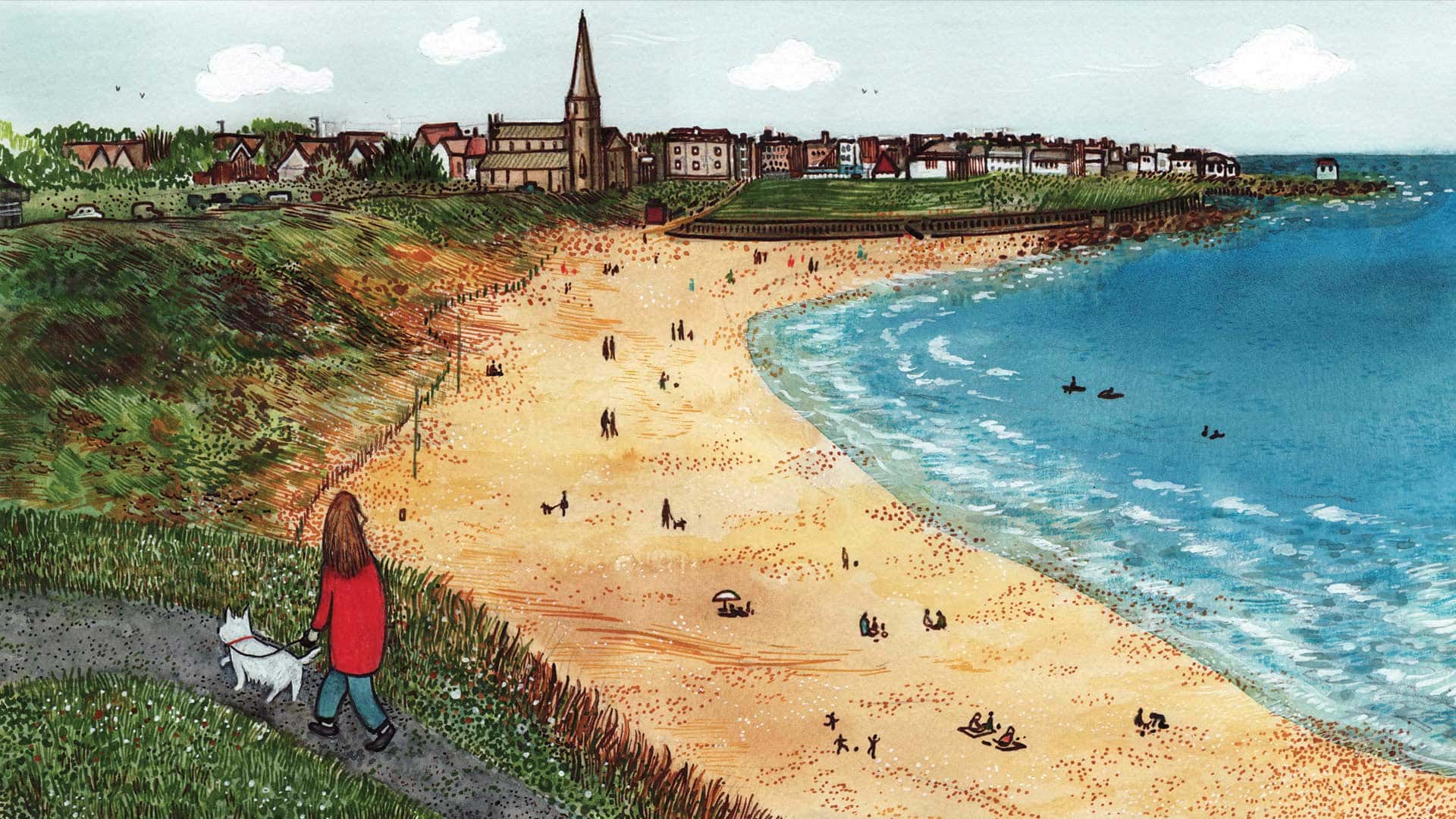

When life shifts and you can't find your footing
Adjustment Disorder Support Across The North East
Specialist support to help you navigate major life changes and find stability, even when the change looked positive from the outside.
- 44 Practitioners
- 6 North East clinics
- Free First Pathway call
Understanding adjustment disorder
Change is hard. Struggling to adjust does not make you weak.
Adjustment disorder happens when the mind and body struggle to adapt to a significant life change or stressor. That might be a relationship breakdown, a bereavement, a new diagnosis, redundancy, retirement, or even a positive change that still turns your world upside down. Most people go through a period of adjustment after major change, but for some, that period becomes prolonged and the emotional and behavioural difficulties it brings begin to interfere with everyday life.
Unlike grief or clinical depression, adjustment disorder is directly tied to an identifiable event. Symptoms typically appear within three months of the change and rarely last longer than six months once the stressor has passed or been resolved. That time-limited nature is part of what makes it so treatable: with the right support, most people recover fully.
You do not need to have experienced something dramatic or catastrophic to develop adjustment disorder. Sometimes it is the accumulation of smaller changes, or the timing of events, that tips the balance. At Select Psychology we see people who are simply finding life harder than usual, and who want support to find their footing again.
Common signs
How adjustment disorder shows up, and what can help
Common signs
- Persistent low mood, sadness, or tearfulness
- Worry, anxiety, or a sense of dread about the future
- Withdrawing from people and activities you usually enjoy
- Difficulty sleeping or feeling constantly tired
- Changes in appetite, eating much more or much less than usual
- Difficulty concentrating at work or finding motivation
- Feeling hopeless or unable to see a way forward
- Increased use of alcohol or other substances to cope
Therapies that can help
Different people respond to different approaches. Your therapist agrees a personalised plan with you, which may draw on:
- Cognitive Behavioural Therapy (CBT)
- Counselling
- Acceptance and Commitment Therapy (ACT)
- Mindfulness-Based Cognitive Therapy (MBCT)
- Compassion Focused Therapy (CFT)
The Pathway Team matches you to a therapist experienced in supporting people with adjustment disorder, at your chosen location.
A simple first move
Not sure where to start? Talk it through with the Pathway Team.
Who you might work with
Therapists with expertise in supporting people with adjustment disorder




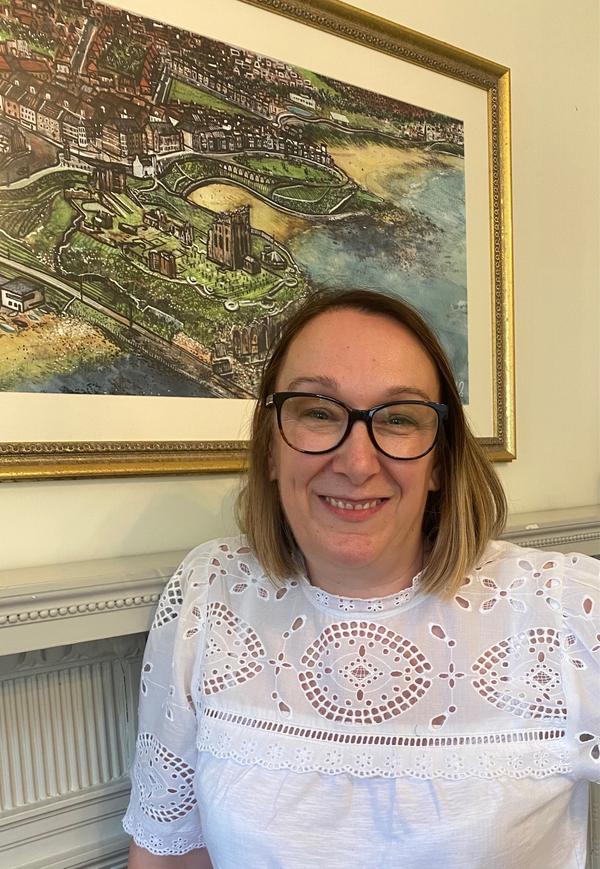


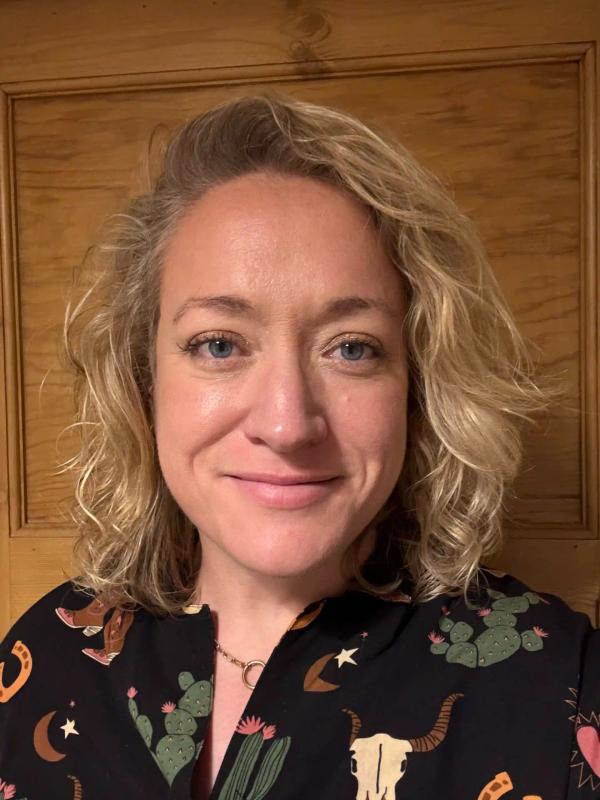





Browse the full team, or let the Pathway Team match you.
When to reach out
You do not have to wait until things feel desperate.
Many people tell themselves they should be coping better, or that what they are going through is not bad enough to need help. But if a life change is affecting your sleep, your work, your relationships, or your sense of yourself, that is enough reason to speak to someone.
Adjustment disorder is highly treatable, and the earlier you reach out the less likely it is to develop into something more persistent. A free call with our Pathway Team is all it takes to get started, there is no obligation, and no pressure to do more than you are ready for.
Where we offer this
Support for adjustment disorder across the North East

Tynemouth
1 Tynemouth Road, NE30 4AY
Psychologists and counsellors in Tynemouth. CBT, EMDR, child psychology and ten other therapies for adults, couples and families across North Tyneside.
Visit clinic
Newcastle
The Grainger Suite, Dobson House, Regent Centre, NE3 3PF
Accredited psychologists and counsellors in Newcastle upon Tyne. CBT, EMDR, DBT and talking therapy for adults, couples and children, at our Gosforth clinic.
Visit clinicQuestions before you start
What people usually ask
1 Does adjustment disorder go away on its own?
Sometimes, yes, many people adjust naturally within a few months once the initial stressor has passed. But for others, symptoms persist and begin to affect work, relationships, and daily life. If you have been struggling for more than a few weeks, or things feel like they are getting worse rather than better, it is worth speaking to someone rather than waiting it out alone.
2 Is adjustment disorder the same as PTSD?
They are both grouped under trauma and stress-related conditions, but they are different. PTSD typically follows a single traumatic event and involves specific symptoms such as flashbacks and hypervigilance. Adjustment disorder is a broader reaction to a stressful life change, it does not require a traumatic event, and symptoms tend to be more varied.
3 How quickly can adjustment disorder develop?
Symptoms usually develop within three months of a significant life change or stressor. How quickly they appear, and how severe they become, varies from person to person. Some people notice difficulties almost immediately; for others it can take several weeks before the impact becomes clear.
4 How many therapy sessions will I need?
Because adjustment disorder is usually time-limited, many people see significant improvement within 8 to 12 sessions. Your therapist will carry out an initial assessment to understand your situation and agree a plan with you. Sessions can be weekly or fortnightly depending on what suits you best.
In the meantime
Small things that can help while you wait.
- Talk to someone you trust about what you are going through
- Keep a routine for sleep, meals, and gentle movement
- Do things that lift your mood: a walk, music, or time with someone kind
- Avoid alcohol and substances, which tend to amplify low mood
- Be patient with yourself: adjusting to change takes time
From the blog
Helpful reading on this

The Step-by-Step Guide to the Cognitive Behavioral Therapy Process
The cognitive behavioural therapy (CBT) process typically involves an initial assessment, setting therapy goals, identifying unhelpful thought patterns, learning practical coping strategies, and applying new skills between sessions. CBT is a structured, evidence-based therapy that helps people manage anxiety, depression, stress, phobias, and other mental health challenges by changing negative thinking and behaviours.
Read article
What Happens in a CBT Session? A Step-by-Step Guide
A CBT session typically starts with a brief check-in, followed by a discussion about your current challenges, thoughts, feelings, and behaviours. Your therapist will help you identify unhelpful thinking patterns, develop practical coping strategies, and set a small action plan to practise between sessions. Most CBT sessions last around 50 minutes and are focused on helping you achieve specific mental health goals.
Read article
How to Solve Family Problems and Build Stronger Relationships
Learn how to resolve family conflict, improve communication, and when to seek professional support. Practical guidance from Select Psychology.
Read article
Can a Psychologist Diagnose? And Do You Need One?
Thinking of asking a clinic for a diagnosis? Some psychologists can give one, but you don't need one to start therapy. We explain how a diagnosis differs from a formulation, what the NHS does with a private diagnosis, and who to see for medication.
Read articleGet in touch
Ready to feel heard?
Leave your details and a member of our Pathway Team will be in touch, usually within one working day. Or call us directly on 0191 258 0008.
- Confidential and judgement-free
- No obligation, no pressure to book
- No GP referral needed
Pathway Team available now
How can we help?
100% confidential, and only ever read by our Pathway Team.