


When unhelpful patterns keep you stuck
Cognitive Behavioural Therapy Across The North East
A structured, evidence-based therapy that helps you identify unhelpful thinking and behaviour patterns, and gives you practical tools to change them.
- 44 Practitioners
- 6 North East clinics
- Free First Pathway call
How it works
Changing how you think and what you do.
Cognitive Behavioural Therapy is built on a straightforward but powerful insight: the way we think about a situation affects how we feel about it, and how we feel affects what we do. When those patterns become stuck (when anxious thoughts lead to avoidance, or low mood leads to withdrawal that deepens the low mood), CBT provides a structured way to interrupt the cycle.
Sessions in CBT are active and collaborative. You and your psychologist work together to identify the specific thoughts, beliefs, and behaviours that are maintaining the problem, then develop strategies to change them. There is work between sessions as well as within them, because lasting change requires practice outside the therapy room.
CBT is one of the most extensively researched psychological therapies. It is recommended by NICE as the first line treatment for depression, anxiety, OCD, PTSD, and several other presentations, and is practiced by HCPC-registered psychologists and accredited therapists at Select Psychology.

What CBT can help with
When thinking patterns hold you back.
-
Depression and persistent low mood
-
Generalised anxiety and worry
-
Panic attacks
-
Phobias and specific fears
-
Health anxiety
-
Social anxiety
-
Obsessive compulsive disorder (OCD)
-
Post-traumatic stress
-
Chronic stress and burnout
-
Sleep difficulties
How the match is made
The right CBT therapist, matched with care
The right CBT therapist, matched with care. Our Pathway Team takes the time to understand what you're going through before matching you with a practitioner who has the right CBT specialism, experience, and availability. Good fit makes the structured work more effective.
-
Initial assessment
The Pathway Team listens to what is happening and matches you to the right practitioner. Your therapist then agrees a personalised plan with you.
-
Matched to a CBT therapist
Select guides you to a practitioner trained and experienced in CBT, with relevant clinical background and availability at your preferred location or online.
-
Structured CBT sessions
Sessions identify the specific thought and behaviour patterns maintaining the difficulty, then build practical strategies to change them. Between-session practice is part of the process.
-
Consolidation
Final sessions focus on embedding the skills developed, building a relapse prevention plan, and ensuring you leave therapy with the tools to manage future difficulties independently.
Practitioner fit
CBT matched to your specific presentation.
CBT is a structured therapy that works well for a wide range of presentations. The Pathway Team takes time to understand the nature of your difficulties before recommending a practitioner, so the match is based on clinical experience and fit, not just availability.
What the first conversation explores
- The nature of your current difficulties and how long they have been present
- Whether CBT is the right approach, or whether another therapy fits better first
- Which specific patterns of thinking and behaviour are most maintaining the difficulty
- Your goals for therapy and what a good outcome would look like for you
A simple first move
Not sure where to start? Talk it through with the Pathway Team.
Who you might work with
Practitioners who offer this





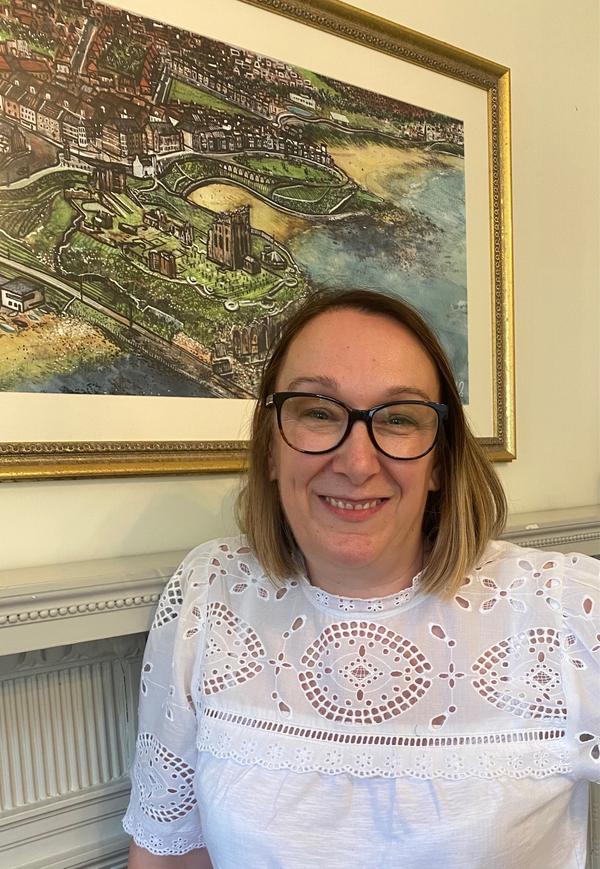








Browse the full team, or let the Pathway Team match you.
Where we offer this
Cognitive Behavioural Therapy (CBT) across the North East

Tynemouth
1 Tynemouth Road, NE30 4AY
Psychologists and counsellors in Tynemouth. CBT, EMDR, child psychology and ten other therapies for adults, couples and families across North Tyneside.
Visit clinic
Newcastle
The Grainger Suite, Dobson House, Regent Centre, NE3 3PF
Accredited psychologists and counsellors in Newcastle upon Tyne. CBT, EMDR, DBT and talking therapy for adults, couples and children, at our Gosforth clinic.
Visit clinicAlso available all locations.
Explore related care
Conditions, clinics and related therapies
Conditions this helps with
Fees and insurance
Clear fees, and most major insurers accepted
No GP referral is needed. If you are using private medical insurance, tell the Pathway Team when you get in touch and they will help with authorisation.
Session fees
- Relationship therapy£95
- Specialist psychological therapy£110
- Clinical & counselling psychology£140
- Psychological assessmentsfrom £350
Insurers accepted
Bupa · Aviva · AXA · Allianz · Simply Health · Vita Health Group
Questions before you start
What people usually ask
1 What is Cognitive Behavioural Therapy (CBT)?
Cognitive Behavioural Therapy is a structured, evidence-based talking therapy built on the principle that thoughts, feelings, and behaviours are interconnected. By identifying and changing unhelpful patterns of thinking and behaviour, CBT helps you feel better and function more effectively. Sessions are collaborative and practical, often with between-session tasks to reinforce what you are learning.
2 What can CBT help with?
CBT has one of the broadest evidence bases of any psychological therapy. It is recommended by NICE as a first-line treatment for anxiety disorders, depression, OCD, panic disorder, phobias, PTSD, and insomnia, among others. It is used with adults, young people, and children, and can be delivered individually or in a group format depending on the presenting difficulty.
3 How many sessions of CBT will I need?
A focused course of CBT for a specific difficulty typically runs between 8 and 20 sessions. Moderate anxiety or low mood may respond well in 8 to 12 sessions. More complex or long-standing presentations usually require more. Your psychologist will discuss a realistic plan after the initial assessment and review progress with you regularly.
4 Can CBT be delivered online?
Yes. CBT translates well to online delivery and many of our psychologists offer sessions remotely as well as in person at our Tynemouth and Newcastle clinics. Research supports the effectiveness of online CBT for a wide range of presentations. The Pathway Team will help you decide which format suits your situation best.
From the blog
Read more before you decide

How to Handle Jealousy in Ethical Non-Monogamy Relationships
Comprehensive guide to managing jealousy in Ethical Non-Monogamy, ensuring relationships are built on trust, communication, and mutual support.
Read article
How Long Does EMDR Take to Work? Effects & Recovery
EMDR therapy typically takes 6 to 12 sessions for a single traumatic event (such as a car accident) and 12 or more sessions for complex or repeated trauma. Each session lasts 60 to 90 minutes, usually once a week. Many people notice significant improvement within the first 3 to 4 sessions. Post-session effects like tiredness or vivid dreams are normal and usually settle within 1 to 3 days. EMDR is recommended by NICE as a first-line treatment for PTSD and is as effective as trauma-focused CBT.
Read article
Small Steps, Big Changes: How EMDR Therapy Helps Reclaim Your Life from Trauma
Trauma is not processed in the part of the brain that handles talking, which is why EMDR takes a different route to recovery: it helps the brain reprocess stuck memories so they lose their emotional charge.
Read article
Signs You May Need Therapy: How to Know When It’s Time to Get Help
Struggling with anxiety, stress, or relationship issues? Learn the signs that indicate it may be time to seek professional support.
Read articleGet in touch
Ready to feel heard?
Leave your details and a member of our Pathway Team will be in touch, usually within one working day. Or call us directly on 0191 258 0008.
- Confidential and judgement-free
- No obligation, no pressure to book
- No GP referral needed
Pathway Team available now
How can we help?
100% confidential, and only ever read by our Pathway Team.