


When fear strikes without warning
Panic Attack Support Across The North East
Therapy that helps you understand what drives your panic and stop living your life around it.
- 44 Practitioners
- 6 North East clinics
- Free First Pathway call
Understanding panic attacks
The fear of having another panic attack is often worse than the attack itself.
Panic attacks are the body's alarm system misfiring. The physical sensations are real, the racing heart, the breathlessness, the dizziness, but they are the result of a nervous system responding to a perceived threat rather than an actual one. The brain reads the sensations as danger, which intensifies them further. This is the panic cycle.
What makes panic disorder particularly difficult is what happens between attacks. The anticipatory anxiety, the constant monitoring, the avoidance of places or situations associated with previous attacks, can become as limiting as the attacks themselves. Life gradually contracts around the fear.
CBT for panic disorder directly targets this cycle. Rather than just managing symptoms in the moment, it helps you understand what is driving them and systematically reduces the avoidance that keeps panic in place. Most people see meaningful change within a relatively short course of therapy.
Common signs
How panic attacks shows up, and what can help
Common signs
- Pounding or racing heart
- Difficulty breathing or feeling smothered
- Chest tightness or pain
- Dizziness, lightheadedness, or feeling faint
- Sweating, trembling, or shaking
- Numbness or tingling sensations
- Feeling detached from yourself or your surroundings
- Fear of losing control or dying
Therapies that can help
Different people respond to different approaches. Your therapist agrees a personalised plan with you, which may draw on:
- Cognitive Behavioural Therapy (CBT)
- Mindfulness-Based Cognitive Therapy (MBCT)
- Acceptance and Commitment Therapy (ACT)
The Pathway Team matches you to a therapist experienced in supporting people with panic attacks, at your chosen location.
A simple first move
Not sure where to start? Talk it through with the Pathway Team.
Who you might work with
Therapists with expertise in supporting people with panic attacks




Browse the full team, or let the Pathway Team match you.
When to reach out
If panic is changing how you live, it is time to get support.
A single panic attack does not always require therapy. But if you are avoiding situations because of fear of another attack, checking your body constantly for warning signs, or finding that anxiety is taking up significant mental space, those are signs that support would help.
Our Pathway Team will listen to what you are experiencing and match you with a therapist who works with panic and anxiety. There is no referral needed and no waiting list, a free telephone call is the starting point.
Where we offer this
Support for panic attacks across the North East

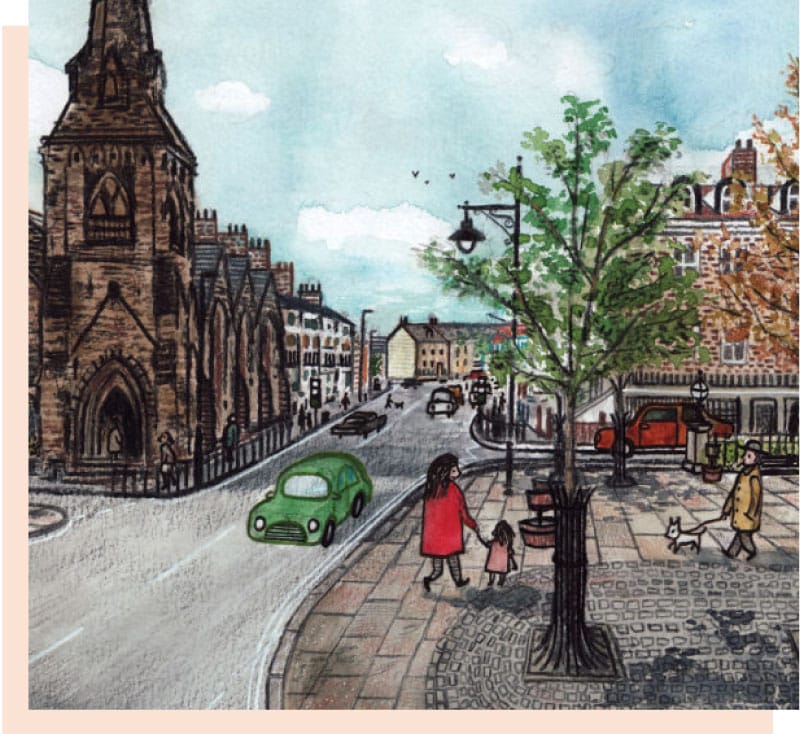
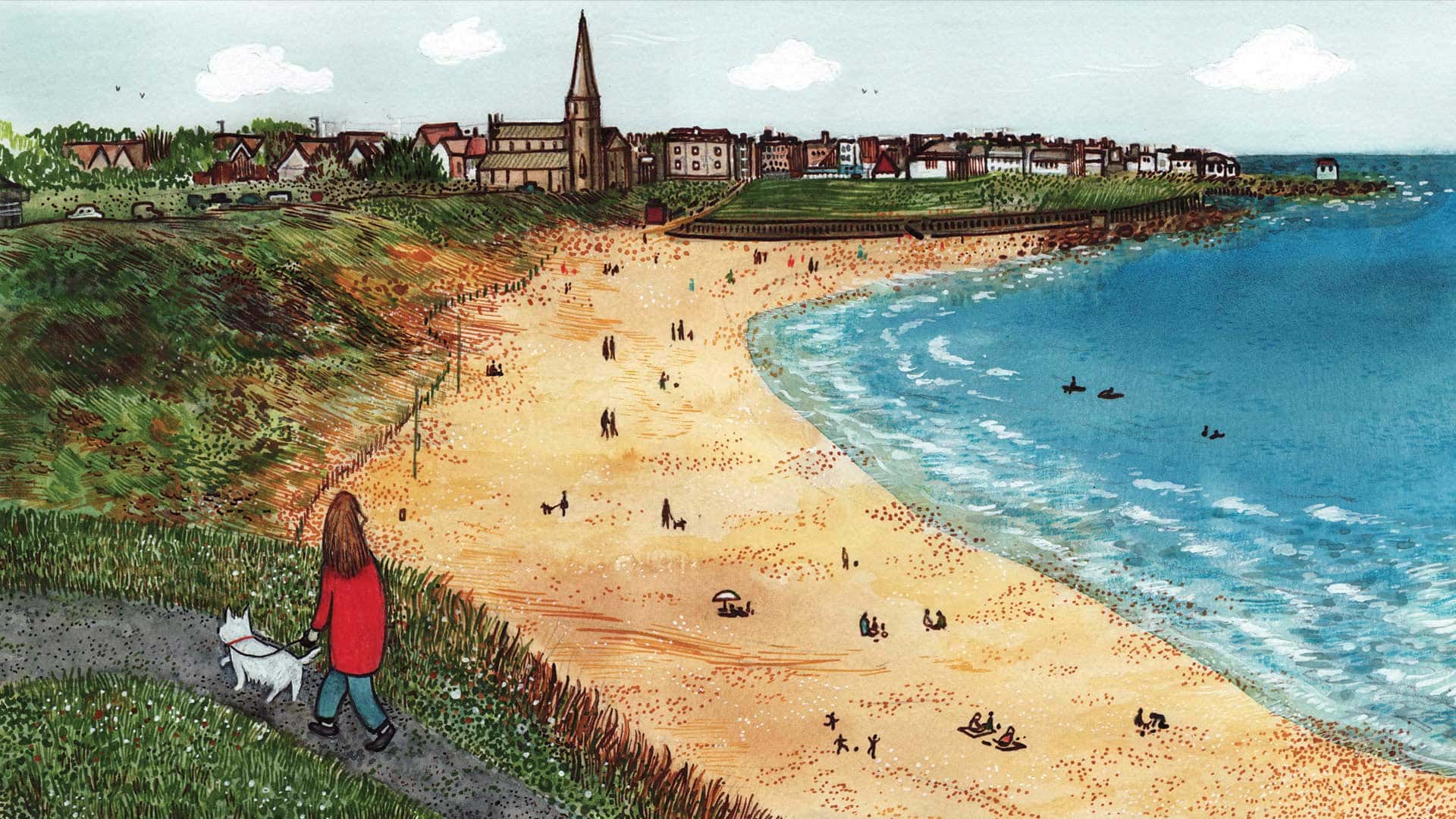
Tynemouth
1 Tynemouth Road, NE30 4AY
Psychologists and counsellors in Tynemouth. CBT, EMDR, child psychology and ten other therapies for adults, couples and families across North Tyneside.
Visit clinic
Newcastle
The Grainger Suite, Dobson House, Regent Centre, NE3 3PF
Accredited psychologists and counsellors in Newcastle upon Tyne. CBT, EMDR, DBT and talking therapy for adults, couples and children, at our Gosforth clinic.
Visit clinicQuestions before you start
What people usually ask
1 What is a panic attack?
A panic attack is a sudden surge of intense fear or physical discomfort that peaks within minutes. The physical sensations, pounding heart, breathlessness, dizziness, chest tightness, can be so overwhelming that many people believe they are having a heart attack or losing their mind. The sensations are real, but they are not dangerous. A panic attack cannot harm you, even when it feels like it might.
2 Do panic attacks mean I have panic disorder?
Not necessarily. Many people experience one or two panic attacks in their lifetime without developing panic disorder. Panic disorder is diagnosed when attacks are recurrent and when fear of having another attack begins to change your behaviour, avoiding certain places, situations, or activities. If panic is shaping your daily life, it is worth speaking to a therapist.
3 What is the best therapy for panic attacks?
Cognitive Behavioural Therapy (CBT) is the NICE-recommended treatment for panic disorder and has a strong evidence base. It works by helping you understand the cycle that keeps panic going, including the way that avoiding situations reinforces the fear, and gradually building confidence through exposure. Mindfulness-Based Cognitive Therapy (MBCT) is also effective, particularly for people who experience repeated episodes.
4 Will I always have panic attacks?
Most people who engage with therapy see a significant reduction in the frequency and intensity of panic attacks, and many stop having them altogether. The key insight that therapy offers is that panic attacks, however terrifying, are not dangerous, and that the avoidance and worry that follow them are what keep the cycle alive. Once that cycle is interrupted, recovery is very achievable.
In the meantime
Techniques that can help during and between attacks.
- Slow your breathing: breathe in for 4 counts, out for 6
- Remind yourself the sensations are uncomfortable, not dangerous
- Try grounding: name five things you can see, four you can touch
- Resist the urge to avoid situations linked to previous attacks
- Keep a diary of when attacks happen to identify patterns
From the blog
Helpful reading on this

How I Overcame My Anxiety & Panic Attacks
How I overcame my struggle with anxiety and panic attacks by using Cognitive Behavioural Therapy (CBT) sessions with Dr Matilda Moffett.
Read article
Coping with anxiety and depression
Select Psychology, a psychologist in Newcastle, can help you find a way of coping with depression and anxiety and the symptoms that come with them.
Read article
What Is Travel Anxiety & How To Manage It?
Travel anxiety is common. Holidays are highly anticipated but can also be a source of stress. Here are some of the main issues with some tips that can help.
Read article
Can a Psychologist Diagnose? And Do You Need One?
Thinking of asking a clinic for a diagnosis? Some psychologists can give one, but you don't need one to start therapy. We explain how a diagnosis differs from a formulation, what the NHS does with a private diagnosis, and who to see for medication.
Read articleGet in touch
Ready to feel heard?
Leave your details and a member of our Pathway Team will be in touch, usually within one working day. Or call us directly on 0191 258 0008.
- Confidential and judgement-free
- No obligation, no pressure to book
- No GP referral needed
Pathway Team available now
How can we help?
100% confidential, and only ever read by our Pathway Team.