


When low mood won't lift
Depression Support Across The North East
Specialist therapy for depression. It does not have to stay this way.
- 44 Practitioners
- 6 North East clinics
- Free First Pathway call
Understanding depression
Depression is not just sadness. It is a condition that changes how you think, feel, and function.
Clinical depression is a mood disorder that causes persistent low mood, loss of interest in life, and a range of physical and emotional symptoms that affect every area of daily living. Unlike ordinary sadness, it does not lift on its own after a day or two. It tends to persist, deepen, and make the most ordinary tasks feel overwhelming.
Depression affects people differently. For some it looks like withdrawal and tearfulness; for others it presents as numbness, irritability, or exhaustion so deep that getting out of bed feels impossible. It can affect sleep, appetite, concentration, and self-worth, and it often comes with a deeply persuasive inner voice that says it will never get better.
That voice is one of the symptoms of depression, not the truth. With the right support, the majority of people with depression improve significantly. At Select Psychology, our therapists work with you to understand what is driving your depression and to build the skills and self-understanding to move through it.

Common signs
How depression shows up, and what can help
Common signs
- Persistent low mood or feelings of emptiness
- Loss of interest in things you used to enjoy
- Constant fatigue and low energy
- Disrupted sleep, too much or too little
- Difficulty concentrating or making decisions
- Withdrawing from friends and social activities
- Relying on alcohol or other unhelpful coping strategies
- Thoughts of hopelessness or not wanting to go on
Therapies that can help
Different people respond to different approaches. Your therapist agrees a personalised plan with you, which may draw on:
- Cognitive Behavioural Therapy (CBT)
- Mindfulness-Based Cognitive Therapy (MBCT)
- Acceptance and Commitment Therapy (ACT)
- Compassion Focused Therapy (CFT)
- Psychodynamic Therapy
- Cognitive Analytic Therapy (CAT)
The Pathway Team matches you to a therapist experienced in supporting people with depression, at your chosen location.
A simple first move
Not sure where to start? Talk it through with the Pathway Team.
Who you might work with
Therapists with expertise in supporting people with depression







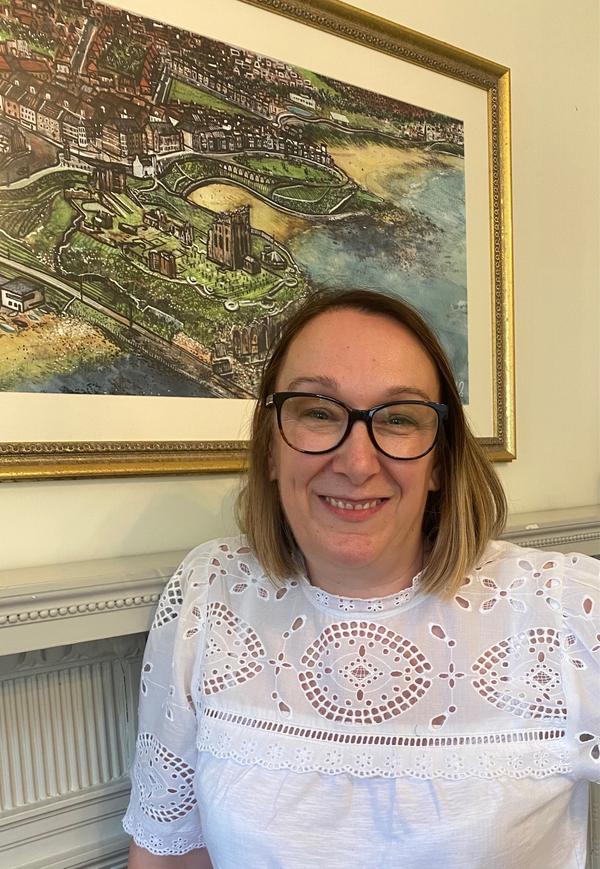






Browse the full team, or let the Pathway Team match you.
When to reach out
You do not have to wait until you are at rock bottom.
If your low mood has lasted more than two weeks and is getting in the way of everyday life, that is a sign to seek support. You do not need to be in crisis. Many people find that getting help early, before depression becomes entrenched, means they need less intensive support and recover more quickly.
Particular signs worth paying attention to: isolating yourself from people you care about, relying on alcohol or other substances to cope, struggling to get through basic tasks, or having thoughts that life is not worth living. If any of these are familiar, please reach out. Our Pathway Team in Newcastle and Tynemouth can help you find the right support quickly.
Where we offer this
Support for depression across the North East

Tynemouth
1 Tynemouth Road, NE30 4AY
Psychologists and counsellors in Tynemouth. CBT, EMDR, child psychology and ten other therapies for adults, couples and families across North Tyneside.
Visit clinic
Newcastle
The Grainger Suite, Dobson House, Regent Centre, NE3 3PF
Accredited psychologists and counsellors in Newcastle upon Tyne. CBT, EMDR, DBT and talking therapy for adults, couples and children, at our Gosforth clinic.
Visit clinic
Durham
Durham Workspace, Abbey Road, DH1 5JZ
Clinical and counselling psychologists in Durham. CBT, EMDR, CAT and family therapy for adults, couples and children, at our Durham Workspace clinic in Pity Me.
Visit clinicQuestions before you start
What people usually ask
1 How do I know if what I'm feeling is depression?
Everyone has low periods, but depression is different. Clinical depression is a mood disorder that lasts longer than two weeks and affects your ability to function day to day. If you are persistently sad, have lost interest in things you used to enjoy, feel exhausted, or are struggling to get through basic tasks, it is worth speaking to someone. You do not need to be certain before you reach out.
2 What causes depression?
There is rarely a single cause. Depression usually develops from a combination of factors including genetics, life events such as bereavement, relationship breakdown, or job loss, long-term illness, past trauma, and social isolation. Some people develop depression without any obvious trigger. Understanding the contributing factors is part of what therapy helps you do.
3 How common is depression?
Depression is the most common mental health problem in the world. In England, around 24% of women and 13% of men will be diagnosed with depression in their lifetime. It often occurs alongside other difficulties such as anxiety. This means you are far from alone, and it also means that effective, well-evidenced treatments exist.
4 What happens if depression goes untreated?
Left untreated, depression tends to deepen and can begin to affect every part of your life: your relationships, your work, your physical health, and your ability to cope. Some people develop unhelpful coping strategies such as alcohol use, which compounds the problem over time. Getting support early gives you the best chance of a full recovery.
In the meantime
Small things that can help right now.
- Keep a mood diary to track what affects how you feel
- Eat well and exercise: even gentle movement lifts mood
- Avoid alcohol and drugs, they worsen low mood over time
- Aim for 7 to 9 hours of sleep and keep a routine
- Try a simple relaxation technique like slow breathing
- Talk to someone you trust rather than withdrawing
From the blog
Helpful reading on this

Coping with anxiety and depression
Select Psychology, a psychologist in Newcastle, can help you find a way of coping with depression and anxiety and the symptoms that come with them.
Read article
What is Depression & What Are The Symptoms?
Not to be confused feeling a bit down or having a low mood, depression can strike at any time. A private psychologist in Newcastle explains the facts.
Read article
Counselling vs Therapy in Newcastle: Which One’s Right for You?
Counselling vs therapy: which is right for you? Select Psychology Newcastle breaks down the differences to help you make an informed choice. Learn more.
Read article
What Happens in a CBT Session? A Step-by-Step Guide
A CBT session typically starts with a brief check-in, followed by a discussion about your current challenges, thoughts, feelings, and behaviours. Your therapist will help you identify unhelpful thinking patterns, develop practical coping strategies, and set a small action plan to practise between sessions. Most CBT sessions last around 50 minutes and are focused on helping you achieve specific mental health goals.
Read articleGet in touch
Ready to feel heard?
Leave your details and a member of our Pathway Team will be in touch, usually within one working day. Or call us directly on 0191 258 0008.
- Confidential and judgement-free
- No obligation, no pressure to book
- No GP referral needed
Pathway Team available now
How can we help?
100% confidential, and only ever read by our Pathway Team.