


When the past won't stay in the past
PTSD Support Across The North East
Specialist trauma therapy to help you process what happened and move forward, because your mind is trying to keep you safe, not hold you back.
- 44 Practitioners
- 6 North East clinics
- Free First Pathway call
Understanding PTSD
PTSD is a specific, treatable response to trauma. It is not a measure of how strong you are.
Post-traumatic stress disorder is a mental health condition that develops when the brain cannot fully process a traumatic experience. Rather than filing the memory away as something that happened in the past, the brain keeps it active, as though the danger is still present. This is what causes the flashbacks, nightmares, and hypervigilance that characterise PTSD: the brain is still trying to protect you from a threat that is no longer there.
PTSD can develop after a wide range of experiences: childhood abuse, sexual violence, bereavement, accidents, combat, domestic violence, or any event that felt overwhelming and life-threatening. You do not have to have been directly involved. Witnessing trauma, or being repeatedly exposed to distressing accounts of it, can also lead to PTSD. Symptoms may appear immediately or emerge months or years after the event.
With the right therapy, PTSD is highly treatable. Approaches like EMDR and trauma-focused CBT work directly with how the brain stores traumatic memories, helping to process what happened so that it becomes the past rather than an ongoing emergency. Our therapists at Select Psychology are experienced in this work and take a careful, paced approach tailored to each person.

Common signs
How PTSD shows up, and what can help
Common signs
- Flashbacks or feeling like the trauma is happening again
- Nightmares or disturbing dreams about the event
- Avoiding people, places, or things that trigger memories
- Being constantly on edge or hypervigilant for danger
- Difficulty sleeping or concentrating
- Negative beliefs about yourself, others, or the world
- Emotional numbness or feeling detached from others
- Increased use of alcohol or substances to cope
Therapies that can help
Different people respond to different approaches. Your therapist agrees a personalised plan with you, which may draw on:
The Pathway Team matches you to a therapist experienced in supporting people with PTSD, at your chosen location.
A simple first move
Not sure where to start? Talk it through with the Pathway Team.
Who you might work with
Therapists with expertise in supporting people with PTSD








Browse the full team, or let the Pathway Team match you.
When to reach out
You do not have to have been in combat to have PTSD
PTSD is not limited to soldiers or survivors of extreme events. Any experience that felt overwhelming, life-threatening, or beyond your ability to cope at the time can trigger it. If you are experiencing flashbacks, avoiding reminders of something that happened, or feeling constantly on edge, it is worth speaking to someone, even if you are not sure whether what you experienced counts as trauma.
The sooner trauma is treated, the better the outcomes tend to be. If your symptoms have been present for more than a month and are affecting your daily life, that is a clear signal. Our Pathway Team in Newcastle and Tynemouth can assess your needs and match you with a trauma-specialist therapist quickly, with no waiting list.
Where we offer this
Support for PTSD across the North East
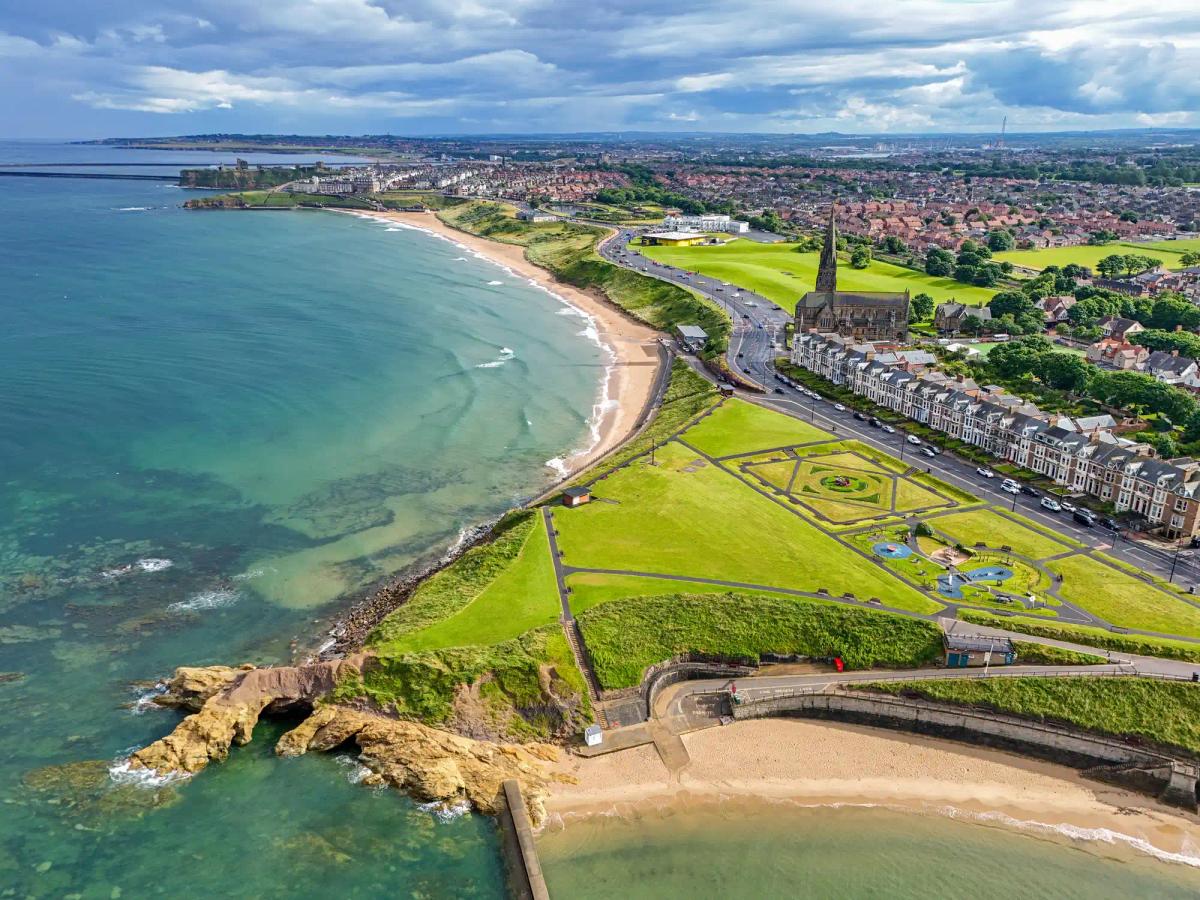
Tynemouth
1 Tynemouth Road, NE30 4AY
Psychologists and counsellors in Tynemouth. CBT, EMDR, child psychology and ten other therapies for adults, couples and families across North Tyneside.
Visit clinic
Newcastle
The Grainger Suite, Dobson House, Regent Centre, NE3 3PF
Accredited psychologists and counsellors in Newcastle upon Tyne. CBT, EMDR, DBT and talking therapy for adults, couples and children, at our Gosforth clinic.
Visit clinicQuestions before you start
What people usually ask
1 What causes PTSD?
PTSD can develop after any experience the mind finds overwhelming or life-threatening. Common causes include childhood abuse, sexual violence, sudden bereavement, domestic violence, serious accidents, combat, and life-threatening medical events. You do not have to have directly experienced the trauma: witnessing it or being told about it in vivid detail can also trigger PTSD. Symptoms may appear immediately or emerge months or even years later.
2 Can PTSD go away without treatment?
For some people, PTSD symptoms ease naturally over time. For many, they do not, and without treatment symptoms can persist for years, sometimes worsening. Professional treatment makes a significant difference. With approaches like EMDR and trauma-focused CBT, the majority of people with PTSD see substantial improvement, often in fewer sessions than they expect.
3 Does PTSD affect memory?
Yes. Trauma affects the way memories are stored in the brain, which is why traumatic memories often feel fragmented, intrusive, or as though they are happening in the present rather than the past. PTSD can also impair concentration and lead to gaps in memory around the traumatic event. One of the goals of trauma therapy is to help the brain process and store the memory properly, so it becomes the past rather than an ongoing threat.
4 What is the difference between PTSD and complex PTSD?
PTSD typically develops after a single traumatic event or a short series of events. Complex PTSD (C-PTSD) develops after prolonged or repeated trauma, such as childhood abuse, ongoing domestic violence, or captivity. C-PTSD often involves additional difficulties around identity, relationships, and emotional regulation. Both respond to trauma-focused therapy, though C-PTSD generally requires a longer, more carefully paced approach.
In the meantime
Small things that can help right now
- Use grounding techniques: name what you can see, hear, and feel
- Practice slow breathing when memories or fear feel overwhelming
- Avoid alcohol and substances: they make PTSD symptoms worse
- Maintain a daily routine to provide structure and safety
- Reach out to someone you trust rather than isolating
- Take each day as it comes: small steps matter
From the blog
Helpful reading on this

What is PTSD & How Can It Be Treated
Coping with PTSD - Read our resources that provides help and hints & tips around the subject of PTSD and other mental health issues.
Read article
Small Steps, Big Changes: How EMDR Therapy Helps Reclaim Your Life from Trauma
Trauma is not processed in the part of the brain that handles talking, which is why EMDR takes a different route to recovery: it helps the brain reprocess stuck memories so they lose their emotional charge.
Read article
How EMDR Works in the Brain: The Science of Healing Trauma
EMDR uses bilateral stimulation to help the brain file distressing experiences as historical events rather than current threats. Here is what the neuroscience tells us.
Read article
How Long Does EMDR Take to Work? Effects & Recovery
EMDR therapy typically takes 6 to 12 sessions for a single traumatic event (such as a car accident) and 12 or more sessions for complex or repeated trauma. Each session lasts 60 to 90 minutes, usually once a week. Many people notice significant improvement within the first 3 to 4 sessions. Post-session effects like tiredness or vivid dreams are normal and usually settle within 1 to 3 days. EMDR is recommended by NICE as a first-line treatment for PTSD and is as effective as trauma-focused CBT.
Read articleGet in touch
Ready to feel heard?
Leave your details and a member of our Pathway Team will be in touch, usually within one working day. Or call us directly on 0191 258 0008.
- Confidential and judgement-free
- No obligation, no pressure to book
- No GP referral needed
Pathway Team available now
How can we help?
100% confidential, and only ever read by our Pathway Team.