


When something in the relationship isn't working
Relationship Support Across The North East
Therapy for individuals and couples to understand what's getting in the way, whether it's conflict, distance, or something harder to name.
- 44 Practitioners
- 6 North East clinics
- Free First Pathway call
Understanding relationship problems
Most relationships hit difficulty. The ones that recover are the ones that get support.
No relationship runs smoothly all the time. Conflict, misunderstanding, and periods of distance are a normal part of any long-term relationship. The difference between difficulties that pass and difficulties that take root is often whether couples have the tools to work through them, and whether they seek help before resentment or disengagement sets in.
Relationship problems tend to escalate slowly. What starts as a communication pattern, one partner withdrawing, the other pursuing; one feeling unheard, the other overwhelmed, can harden over time into something that feels fixed. Therapy works by making those patterns visible and giving both people a better way of responding.
We work with couples and individuals across a wide range of relationship difficulties. Whether you are navigating infidelity, recurring conflict, loss of intimacy, or a sense that you have simply grown apart, therapy creates a space to understand what is happening and what each person actually needs.
Common signs
How relationship problems shows up, and what can help
Common signs
- Arguments that repeat without resolution
- Feeling unheard, dismissed, or misunderstood
- Emotional or physical distance that has grown over time
- Infidelity or a breach of trust
- Living alongside each other without genuine connection
- Resentment or contempt building beneath the surface
- Staying together for the children but feeling stuck
- Uncertainty about whether the relationship has a future
Therapies that can help
Different people respond to different approaches. Your therapist agrees a personalised plan with you, which may draw on:
- Relationship counselling and couples therapy
- Emotion Focused Therapy (EFT)
- Psychosexual therapy
- Family Therapy
The Pathway Team matches you to a therapist experienced in supporting people with relationship problems, at your chosen location.
A simple first move
Not sure where to start? Talk it through with the Pathway Team.
Who you might work with
Therapists with expertise in supporting people with relationship problems






Browse the full team, or let the Pathway Team match you.
When to reach out
You do not have to wait until you are at breaking point.
The earlier you seek support, the more options you have. Relationship therapy is not a last resort, it works best when there is still enough goodwill on both sides to engage. If you are noticing patterns that are not changing on their own, or if the same conflicts keep returning, that is a good time to seek help.
You can contact us as a couple or as an individual. Our Pathway Team will listen to what you are experiencing and help you find the right therapist and format, whether that means couples sessions, individual work, or a combination of both.
Where we offer this
Support for relationship problems across the North East

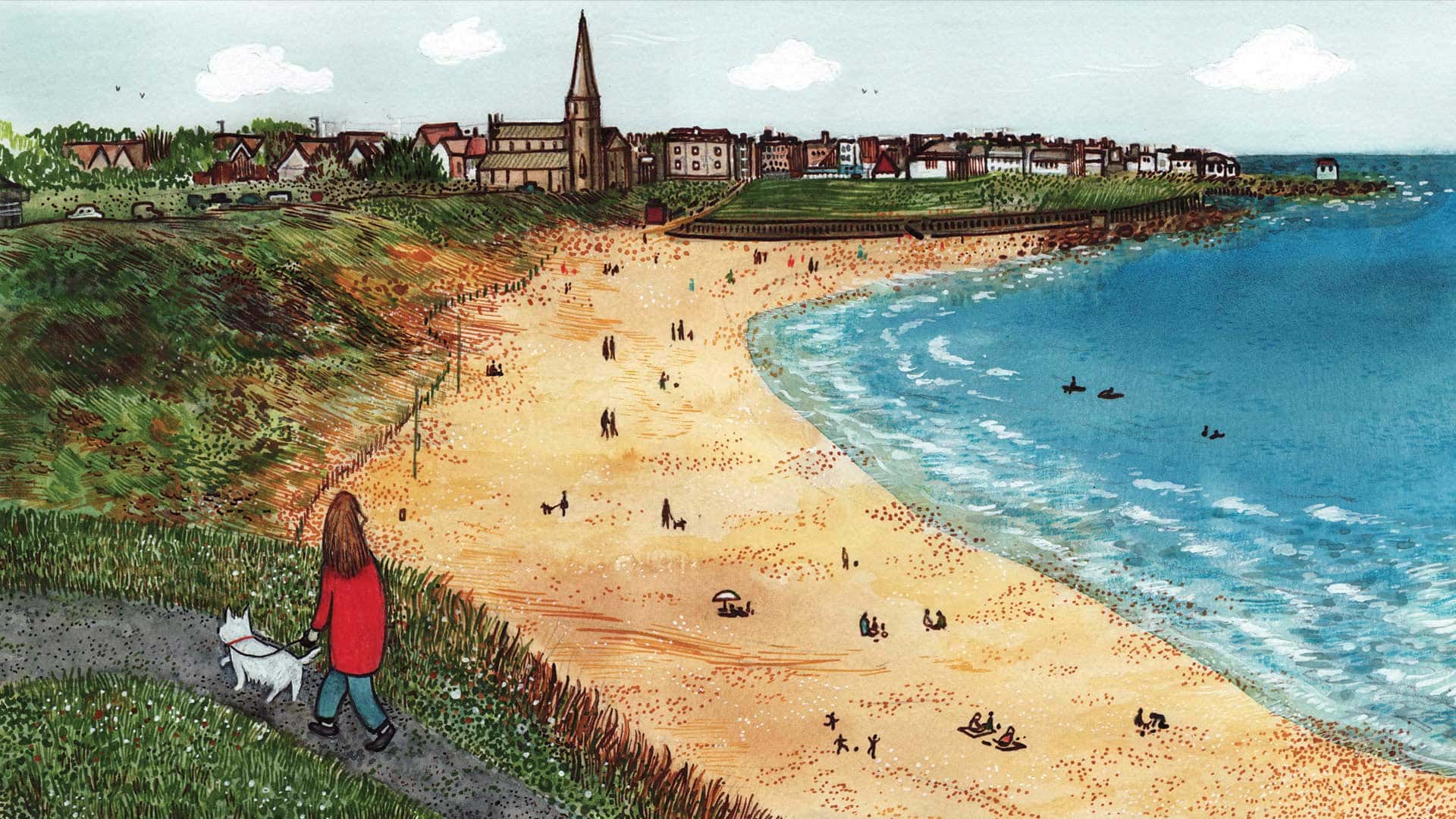
Tynemouth
1 Tynemouth Road, NE30 4AY
Psychologists and counsellors in Tynemouth. CBT, EMDR, child psychology and ten other therapies for adults, couples and families across North Tyneside.
Visit clinic
Newcastle
The Grainger Suite, Dobson House, Regent Centre, NE3 3PF
Accredited psychologists and counsellors in Newcastle upon Tyne. CBT, EMDR, DBT and talking therapy for adults, couples and children, at our Gosforth clinic.
Visit clinicQuestions before you start
What people usually ask
1 What kinds of relationship problems can therapy help with?
Therapy can help with a wide range of relationship difficulties: communication breakdown, recurring conflict, infidelity and trust issues, loss of intimacy, growing emotional distance, separation or divorce, and the strain that external pressures, such as parenting, work stress, or bereavement, can place on a relationship. We also work with individuals navigating difficult relationships alone, without their partner.
2 Do both partners need to attend therapy?
Not necessarily. Couples therapy works best when both partners attend, but individual therapy can also be very effective for relationship problems. Many people find that working on their own patterns, responses, and needs creates significant change in how they relate to others, even if their partner is not in the room.
3 Can therapy save a relationship that feels beyond repair?
Therapy does not promise to save every relationship, but it can help both partners communicate more clearly, understand what has gone wrong, and make more informed decisions about the future, together or separately. Many couples who come to therapy in crisis do find a path forward. Others use it to end a relationship with greater clarity and less pain.
4 How is couples therapy different from seeing a therapist individually?
In couples therapy, the relationship itself is treated as the focus, the therapist works with both partners together to improve communication, resolve conflict, and rebuild connection. Individual therapy for relationship problems focuses on one person's experience, patterns, and goals. Both can be valuable, and sometimes a combination of both is recommended.
In the meantime
Small things that can help while you wait for support.
- Choose a calm moment to raise concerns rather than mid-argument
- Try to understand your partner's perspective before responding
- Name what you need clearly, rather than hoping it will be noticed
- Notice the patterns in conflict, who withdraws, who pursues
- Make small gestures of care and connection each day
From the blog
Helpful reading on this

Does Couples Therapy Work? A Therapist’s Perspective on Its Impact
Does couples therapy work? Discover how relationship counselling can improve communication, resolve conflict, rebuild trust, and help couples create stronger, healthier relationships.
Read article
How can relationship counselling help?
Learn how relationship counselling helps couples navigate challenges, improve understanding, and build stronger, more fulfilling relationships.
Read article
Can Marriage Counselling Help My Relationship?
Marriage counselling isn't just for struggling couples. Learn how it can improve communication, strengthen relationships, resolve conflict, and support couples at every stage of their journey.
Read article
Five principles to a stronger relationship
Research from the Gottman Institute shows that 69% of relationship conflicts typically go unresolved, and successful couples learn to choose which disagreements are worth addressing. Strong relationships are built on consistent positive interactions — at least five positive exchanges for every negative one — alongside regularly updating your knowledge of your partner's inner world. When conflict arises, turning toward each other with empathy rather than fighting or withdrawing is the most effective approach. Treating the relationship itself as something that requires active, ongoing nurturing by both partners is key to long-term togetherness.
Read articleGet in touch
Ready to feel heard?
Leave your details and a member of our Pathway Team will be in touch, usually within one working day. Or call us directly on 0191 258 0008.
- Confidential and judgement-free
- No obligation, no pressure to book
- No GP referral needed
Pathway Team available now
How can we help?
100% confidential, and only ever read by our Pathway Team.