




When a diagnosis changes everything
Cancer Support Across The North East
Psychological support for patients and families at every stage, for the fear, grief, and uncertainty that don't show up on scans.
- 44 Practitioners
- 6 North East clinics
- Free First Pathway call
Understanding the emotional impact of cancer
A cancer diagnosis changes far more than your physical health.
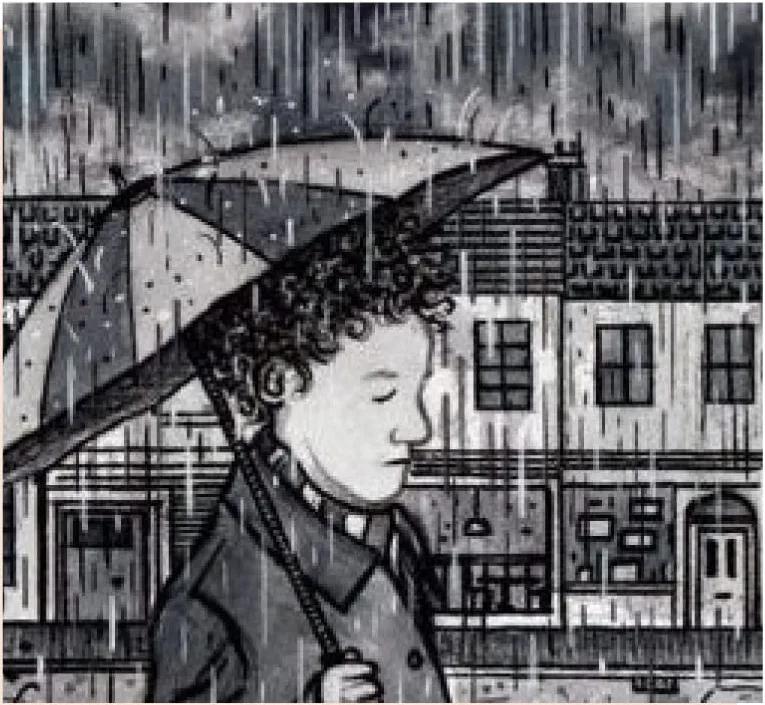
A cancer diagnosis is one of the most profound things a person can face. Alongside the physical demands of tests, treatment, and recovery, there is an emotional and psychological weight that can be just as difficult: fear about the future, grief for the life you had before, changes to your sense of identity, and the strain of uncertainty about what comes next.
The emotional effects of cancer are not limited to patients. Families and carers often carry their own grief, anxiety, and exhaustion, sometimes without feeling they have the right to ask for support when their loved one is the one who is ill. These experiences are real, and they deserve care too.
Psychological support during and after cancer treatment has strong evidence behind it. Therapy helps people process what they are going through, develop coping strategies for the hardest moments, and find ways to live as fully and meaningfully as possible, even in the middle of treatment.
Common signs
How coping with cancer shows up, and what can help
Common signs
- Persistent feelings of hopelessness or despair
- Withdrawing from friends, family, or social life
- Changes in appetite or sleep
- Exhaustion that goes beyond treatment side effects
- Increased reliance on alcohol or other coping strategies
- Intense anxiety about recurrence or the future
- Difficulty adjusting to changes in body image
- Struggling to talk openly with loved ones
Therapies that can help
Different people respond to different approaches. Your therapist agrees a personalised plan with you, which may draw on:
- Cognitive Behavioural Therapy (CBT)
- Counselling
- Health Psychology
- Acceptance and Commitment Therapy (ACT)
The Pathway Team matches you to a therapist experienced in supporting people with coping with cancer, at your chosen location.
A simple first move
Not sure where to start? Talk it through with the Pathway Team.
Who you might work with
Therapists with expertise in supporting people with coping with cancer



Browse the full team, or let the Pathway Team match you.
When to reach out
There is no wrong time to ask for support.
Psychological support is not just for people who are in crisis. Many people access therapy at the time of diagnosis, during treatment, or in the months and years afterwards when the world expects them to be fine but they are still carrying a great deal. Wherever you are in the cancer journey, if you are struggling, that is reason enough.
You do not need to feel that your emotional needs are trivial compared to your medical ones. They are not. If fear, grief, or anxiety is getting in the way of your quality of life, we are here. Our Pathway Team in Newcastle and Tynemouth can match you with the right therapist quickly, with no waiting lists.
Where we offer this
Support for coping with cancer across the North East

Tynemouth
1 Tynemouth Road, NE30 4AY
Psychologists and counsellors in Tynemouth. CBT, EMDR, child psychology and ten other therapies for adults, couples and families across North Tyneside.
Visit clinic
Newcastle
The Grainger Suite, Dobson House, Regent Centre, NE3 3PF
Accredited psychologists and counsellors in Newcastle upon Tyne. CBT, EMDR, DBT and talking therapy for adults, couples and children, at our Gosforth clinic.
Visit clinicQuestions before you start
What people usually ask
1 Who is cancer counselling for?
Cancer counselling is for anyone affected by a diagnosis, whether that is the person with cancer themselves, or a partner, family member, or close friend. It is not just for those at crisis point. Many people find it helpful to have a dedicated space to process the diagnosis, the treatment, and the wider impact on their life, at any stage of the journey.
2 Can therapy really help when you are dealing with cancer?
Yes. Psychological support does not change the medical situation, but it can make an enormous difference to how you cope with it. Therapy helps you process fear, manage anxiety, and find ways to live as fully as possible through and after treatment. Research consistently shows that people who access psychological support alongside cancer treatment cope more effectively with both the emotional and physical demands they face.
3 What does a first session look like?
The first step is a free Pathway call, where one of our team will take time to understand your situation and match you with the most appropriate therapist. There is no pressure to share more than you are ready to. From there, your therapist will complete a short assessment before therapy begins, so that the support is properly tailored to your needs and goals.
4 Do you work with families as well as patients?
Yes. A cancer diagnosis affects the whole family. Partners, children, and close friends often carry their own fear and grief, sometimes without feeling they have the right to seek support when their loved one is the one who is ill. Our therapists can work with family members individually, or in some cases together, to help everyone navigate this time.
In the meantime
Small things that can help right now.
- Talk to someone you trust about how you feel
- Accept help: you do not have to manage alone
- Keep a gentle routine for structure and comfort
- Give yourself permission to feel whatever comes up
- Stay connected with people and activities that matter
- Ask your medical team what psychological support is available
From the blog
Helpful reading on this
Taking back your sex life after beating cancer
Beating cancer is fantastic - but having overcome the Big C, doesn't have to mean an end of your love life. You can take back your sex life! Read on....
Read article
What Is Cognitive Behavioural Therapy Used For? A Complete Guide
Cognitive behavioural therapy (CBT) is an evidence-based treatment for anxiety, depression, OCD, PTSD, and other mental health conditions. This guide explains what CBT is used for, how it works, and whether it could be the right approach for you.
Read article
How to Help Someone with OCD: A Guide for Family and Friends
The best way to help someone with OCD is to support them without feeding their compulsions, avoid excessive reassurance, and encourage evidence-based treatment such as CBT with ERP. By understanding what genuinely helps and what to avoid, you can support your loved one while also protecting your own wellbeing.
Read article
How to Solve Family Problems and Build Stronger Relationships
Learn how to resolve family conflict, improve communication, and when to seek professional support. Practical guidance from Select Psychology.
Read articleGet in touch
Ready to feel heard?
Leave your details and a member of our Pathway Team will be in touch, usually within one working day. Or call us directly on 0191 258 0008.
- Confidential and judgement-free
- No obligation, no pressure to book
- No GP referral needed
Pathway Team available now
How can we help?
100% confidential, and only ever read by our Pathway Team.