


When emotions feel impossible to manage
Dialectical Behaviour Therapy Across The North East
An evidence-based approach that teaches practical skills in mindfulness, distress tolerance, and emotion regulation for people who experience emotions intensely.
- 44 Practitioners
- 6 North East clinics
- Free First Pathway call
How it works
For emotions that arrive fast and stay long.
Some people experience emotions more intensely than others, and take longer to return to a calm baseline after becoming distressed. DBT is built around this recognition, working with how your nervous system responds and building practical skills to manage it more effectively.
DBT is structured around four skill modules: mindfulness, which builds present-moment awareness; distress tolerance, which teaches ways to survive a crisis without making things worse; emotion regulation, which helps reduce the intensity and duration of difficult emotions; and interpersonal effectiveness, which supports clearer communication and healthier relationships.
Treatment typically combines individual therapy sessions with structured skills work. In individual sessions, you apply the skills to real situations from your own life. The approach is collaborative and reviewed regularly, with the goal of building a life that feels genuinely worth living.

What DBT can help with
More than just BPD.
-
Borderline Personality Disorder (BPD)
-
Emotional dysregulation and intense mood swings
-
Self-harm and suicidal thinking
-
Complex and developmental trauma
-
Eating disorders
-
Anxiety and chronic distress
-
Relationship difficulties and interpersonal conflict
-
Depression that has not responded to other treatments
How Select routes the work
The right DBT therapist, matched with care
Our Pathway Team takes the time to understand what you're going through before matching you with a practitioner who has the right Dialectical Behaviour Therapy (DBT) expertise, experience, and availability. The right fit helps you build practical skills and get the most from your therapy.
-
A confidential first discussion
The Pathway Team listens to what is happening and matches you to the right practitioner. Your therapist then agrees a personalised plan with you.
-
Matched to a DBT specialist
Select routes you to an HCPC registered clinical psychologist with intensive DBT training and relevant experience, at your preferred clinic or online.
-
Structured, skills-based sessions
Work combines individual therapy with practical skills teaching, reviewed regularly so the work stays aligned with what you need.
Practitioner fit
DBT matched to your specific needs.
DBT at Select Psychology is delivered by HCPC registered clinical psychologists with intensive specialist training. The first conversation is about understanding what you are carrying and finding the right practitioner for where you are starting from.
What the first conversation explores
- The nature and duration of your emotional difficulties
- Location, online preference, and session timing
- Any risk or safeguarding considerations
- Which practitioner's experience and style is the right match
A simple first move
Not sure where to start? Talk it through with the Pathway Team.
Who you might work with
Practitioners who offer this



Browse the full team, or let the Pathway Team match you.
Where we offer this
Dialectical Behaviour Therapy (DBT) across the North East
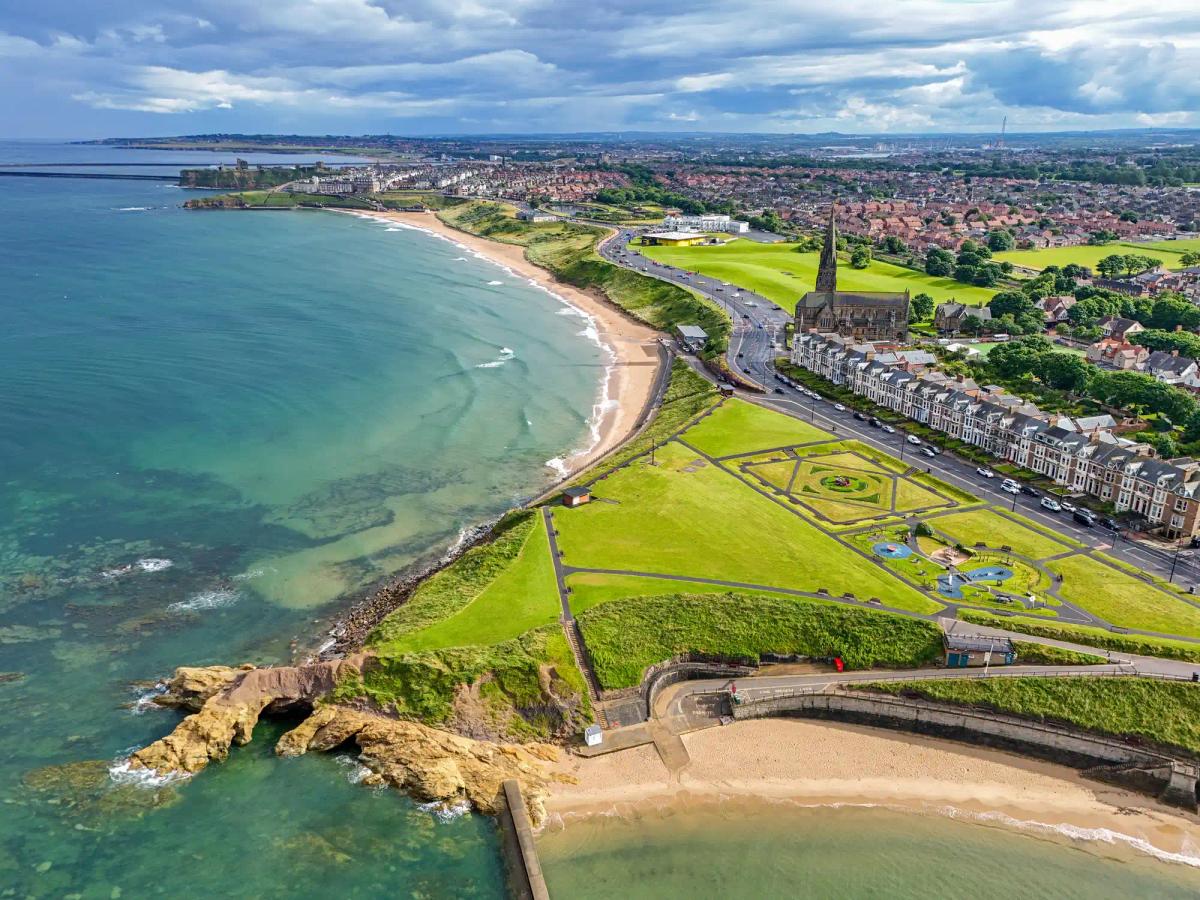
Tynemouth
1 Tynemouth Road, NE30 4AY
Experienced therapists and counsellors in Tynemouth, supporting adults, couples and families across North Shields, Whitley Bay and the North Tyneside coast.
Visit clinic
Newcastle
The Grainger Suite, Dobson House, Regent Centre, NE3 3PF
Accredited psychologists and counsellors in Newcastle Upon Tyne. CBT, EMDR and talking therapy for adults, couples and children - based at our Gosforth clinic.
Visit clinicAlso available all locations.
Explore related care
Conditions, clinics and related therapies
Conditions this helps with
Fees and insurance
Clear fees, and most major insurers accepted
No GP referral is needed. If you are using private medical insurance, tell the Pathway Team when you get in touch and they will help with authorisation.
Session fees
- Relationship therapy£95
- Specialist psychological therapy£110
- Clinical & counselling psychology£140
- Psychological assessmentsfrom £350
Insurers accepted
Bupa · Aviva · AXA · Allianz · Simply Health · Vita Health Group
Questions before you start
What people usually ask
1 What is Dialectical Behaviour Therapy (DBT)?
DBT is a specialised form of cognitive behavioural therapy developed by Dr Marsha Linehan. It was originally designed for Borderline Personality Disorder but is now used for a wide range of difficulties involving emotional dysregulation. The word 'dialectical' refers to the core balance DBT teaches: accepting yourself and your experiences as they are, while also working to change the patterns that are causing harm. DBT is structured and skills-based, combining individual therapy with practical skills teaching.
2 What conditions does DBT work best for?
DBT has the strongest evidence base for Borderline Personality Disorder (BPD), but is also used for complex trauma, eating disorders, self-harm, chronic suicidal thinking, and difficulties with emotional dysregulation more broadly. It can be helpful for anyone who experiences emotions very intensely, struggles to recover quickly from distressing situations, or finds relationships difficult to maintain.
3 How is DBT different from CBT?
CBT focuses primarily on identifying and changing unhelpful thought patterns. DBT builds on this but adds a strong emphasis on acceptance, distress tolerance, and interpersonal skills. DBT also places greater weight on the therapeutic relationship and on validating the intensity of a person's emotional experience before moving towards change. It is generally more structured and longer in duration than standard CBT.
4 How long does a course of DBT take?
A full DBT programme, which combines individual therapy with group-based skills training, typically runs for six to twelve months. At Select Psychology, we offer DBT-informed individual therapy: work that draws on DBT principles and skill modules within a one-to-one format. Your practitioner will agree a realistic plan with you at the outset, and progress is reviewed regularly throughout.
From the blog
Read more before you decide

How Long Does EMDR Take to Work? Effects & Recovery
EMDR therapy typically takes 6 to 12 sessions for a single traumatic event (such as a car accident) and 12 or more sessions for complex or repeated trauma. Each session lasts 60 to 90 minutes, usually once a week. Many people notice significant improvement within the first 3 to 4 sessions. Post-session effects like tiredness or vivid dreams are normal and usually settle within 1 to 3 days. EMDR is recommended by NICE as a first-line treatment for PTSD and is as effective as trauma-focused CBT.
Read article
Small Steps, Big Changes: How EMDR Therapy Helps Reclaim Your Life from Trauma
Trauma is not processed in the part of the brain that handles talking, which is why EMDR takes a different route to recovery: it helps the brain reprocess stuck memories so they lose their emotional charge.
Read article
Signs You May Need Therapy: How to Know When It’s Time to Get Help
Struggling with anxiety, stress, or relationship issues? Learn the signs that indicate it may be time to seek professional support.
Read article
How EMDR Works in the Brain: The Science of Healing Trauma
EMDR uses bilateral stimulation to help the brain file distressing experiences as historical events rather than current threats. Here is what the neuroscience tells us.
Read articleGet in touch
Ready to feel heard?
Leave your details and a member of our Pathway Team will be in touch, usually within one working day. Or call us directly on 0191 258 0008.
- Confidential and judgement-free
- No obligation, no pressure to book
- No GP referral needed
Pathway Team available now
How can we help?
100% confidential, and only ever read by our Pathway Team.