


Trauma therapy across the North East
EMDR therapy to help your brain process what talking alone cannot.
A structured, evidence-based therapy for trauma and PTSD. EMDR helps the brain reprocess distressing memories so they lose their charge, without needing to retell every detail.
- 44 Practitioners
- 6 North East clinics
- Free First Pathway call
When it helps
For memories that still feel like the present.
Trauma is not processed in the part of the brain that handles talking, which is why describing what happened does not always resolve the distress. EMDR, or Eye Movement Desensitisation and Reprocessing, takes a different route. It uses gentle left-right stimulation, often eye movements, to help the brain digest stuck memories so they can be filed away as the past.
It is recognised by the World Health Organization, NICE and the NHS as an effective treatment for PTSD, and it can also help with anxiety, phobias, grief, and performance anxiety. You do not have to describe the trauma in detail for it to work.
Sessions follow a structured eight-phase protocol that begins with assessment, grounding, and safety building, long before any reprocessing starts, so the work stays within what feels manageable.

What EMDR can help with
More than a single traumatic event.
-
Post-traumatic stress disorder (PTSD)
-
A single distressing event such as an accident or assault
-
Complex trauma built up over time
-
Flashbacks, nightmares, and intrusive memories
-
Anxiety, panic, and phobias
-
Grief, loss, and performance anxiety
How Select routes the work
One front door, then the right EMDR practitioner.
Select Psychology acts as the connector. The Pathway Team understands what is happening, then matches you to an associate practitioner trained in EMDR with the right experience, location and availability. Fit matters for trauma work, because feeling safe with your therapist is part of what makes the therapy effective.
- 01
A confidential first discussion
The Pathway Team listens to what is happening and helps decide whether EMDR is the right starting point or whether another approach fits better first.
- 02
Matched to an EMDR practitioner
Select routes you to an associate therapist or psychologist trained in EMDR, with relevant trauma experience and availability at your preferred clinic or online.
- 03
Structured, paced sessions
You begin with preparation and grounding, then move into reprocessing at a pace that stays within your window of tolerance, usually weekly.
Practitioner fit
Trauma therapy matched to you, not a generic slot.
Trauma work can involve EMDR, CBT, or a blend, and the right starting point depends on what you are carrying and how your nervous system responds. The first conversation is about finding the safest, most effective place to begin.
What the first conversation explores
- Whether the trauma is a single event or built up over time
- How ready you feel to begin reprocessing work
- Location, online preference, and session timing
- Any risk or safeguarding concerns
- Which practitioner style is most likely to help
A simple first move
Not sure where to start? Talk it through with the Pathway Team.
Who you might work with
Practitioners who offer this



Browse the full team, or let the Pathway Team match you.
Where we offer this
EMDR therapy across the North East
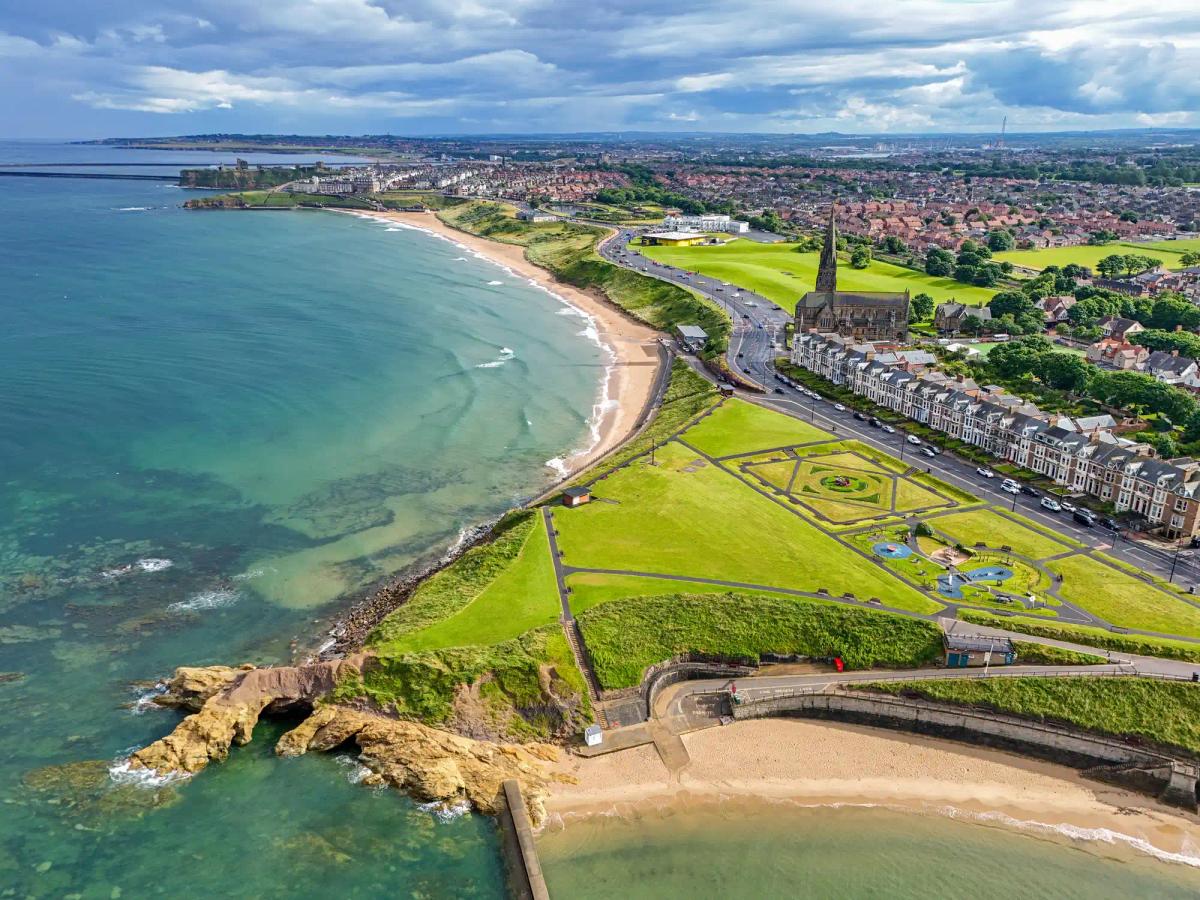
Tynemouth
1 Tynemouth Road, NE30 4AY
Visit clinic
Newcastle
The Grainger Suite, Dobson House, Regent Centre, NE3 3PF
Visit clinicAlso available all locations.
Explore related care
Conditions, clinics and related therapies
Conditions this helps with
Related therapies
Fees and insurance
Clear fees, and most major insurers accepted
No GP referral is needed. If you are using private medical insurance, tell the Pathway Team when you get in touch and they will help with authorisation.
Session fees
- Relationship therapy£95
- Specialist psychological therapy£110
- Clinical & counselling psychology£140
- Psychological assessmentsfrom £350
Insurers accepted
Bupa · Aviva · AXA · Allianz · Simply Health · Vita Health Group
Questions before you start
What people usually ask
1 Do I have to describe the trauma in detail?
No. One of the things that sets EMDR apart is that you do not need to talk through every detail of what happened. The therapy works with how the memory is stored, so reprocessing can happen without lengthy retelling.
2 How long does EMDR take to work?
For a single traumatic event, many people see significant improvement within 6 to 12 sessions. Complex trauma built up over time usually takes longer. Your practitioner will discuss a realistic plan with you after the assessment phase.
3 Is EMDR evidence-based?
Yes. EMDR is recommended by the World Health Organization, NICE and the NHS as a first-line treatment for PTSD, and a growing evidence base supports its use for anxiety, phobias and grief.
4 Can EMDR be done online?
Yes, many of our practitioners offer EMDR online as well as in person at our clinics. The Pathway Team will help you decide which suits you best.
From the blog
Read more before you decide

How Long Does EMDR Take to Work? Effects & Recovery
EMDR therapy typically takes 6 to 12 sessions for a single traumatic event (such as a car accident) and 12 or more sessions for complex or repeated trauma. Each session lasts 60 to 90 minutes, usually once a week. Many people notice significant improvement within the first 3 to 4 sessions. Post-session effects like tiredness or vivid dreams are normal and usually settle within 1 to 3 days. EMDR is recommended by NICE as a first-line treatment for PTSD and is as effective as trauma-focused CBT.
Read article

How to Solve Family Problems and Build Stronger Relationships
Learn how to resolve family conflict, improve communication, and when to seek professional support. Practical guidance from Select Psychology.
Read article
How Does Family Counselling Work? A Practical Guide for Families
Discover how family counselling works, what happens in sessions, and what to expect from start to finish. Practical guidance for families.
Read articleGet in touch
Ready to feel heard?
Leave your details and a member of our Pathway Team will be in touch, usually within one working day. Or call us directly on 0191 258 0008.
- Confidential and judgement-free
- No obligation, no pressure to book
- No GP referral needed
Pathway Team available now
How can we help?
100% confidential, and only ever read by our Pathway Team.