


When the effects of abuse still follow you
Abuse Support Across The North East
A confidential space to process the emotional aftermath of abuse, whether recent or from years ago, without pressure or judgement.
- 44 Practitioners
- 6 North East clinics
- Free First Pathway call
Understanding abuse
Abuse takes many forms. So does the support that helps.
Abuse is any behaviour that causes harm, fear, or distress to another person. It can be physical, emotional, sexual, financial, or psychological, and it can happen in any relationship: between partners, within families, in the workplace, or in institutions. What these forms have in common is that they involve one person using power or control over another in a way that causes harm.
Abuse can shape how you see yourself, how you relate to others, and how safe the world feels. You may carry feelings of shame, guilt, or confusion, particularly if the person who hurt you was also someone you loved or trusted. These responses are not weaknesses. They are normal reactions to experiences that were not normal.
Recovery does not mean forgetting. It means working through what happened in a way that reduces its hold over your daily life. With the right support, people do recover, and our team has helped many of them do exactly that.

Common signs
How abuse shows up, and what can help
Common signs
- Difficulty trusting others, or yourself
- Anxiety, panic attacks, or a constant sense of threat
- Low self-worth or persistent feelings of shame
- Flashbacks or intrusive memories
- Sleep problems, including nightmares
- Difficulty managing emotions, or feeling numb
- Withdrawing from relationships
- Depression or loss of interest in everyday life
Therapies that can help
Different people respond to different approaches. Your therapist agrees a personalised plan with you, which may draw on:
- EMDR therapy
- Cognitive Behavioural Therapy (CBT)
- Compassion Focused Therapy (CFT)
- Dialectical Behaviour Therapy (DBT)
- Counselling
The Pathway Team matches you to a therapist experienced in supporting people with abuse, at your chosen location.
A simple first move
Not sure where to start? Talk it through with the Pathway Team.
Who you might work with
Therapists with expertise in supporting people with abuse

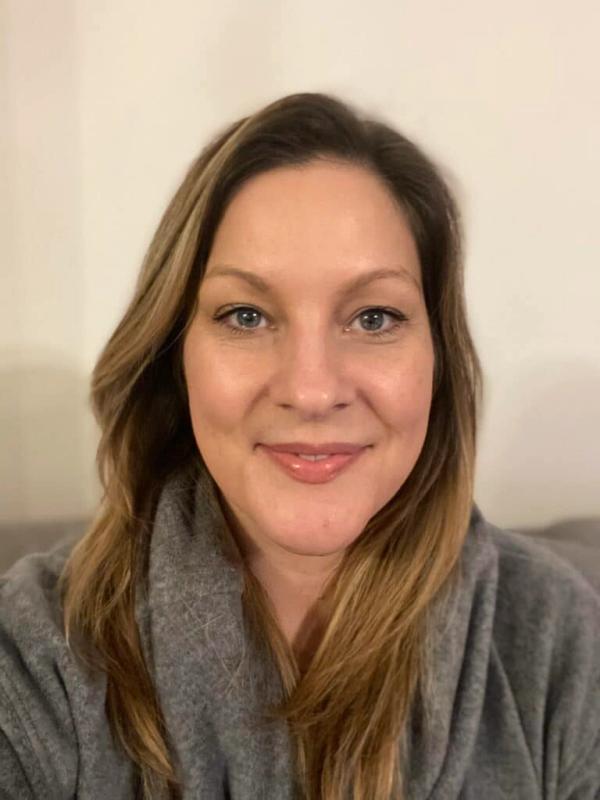


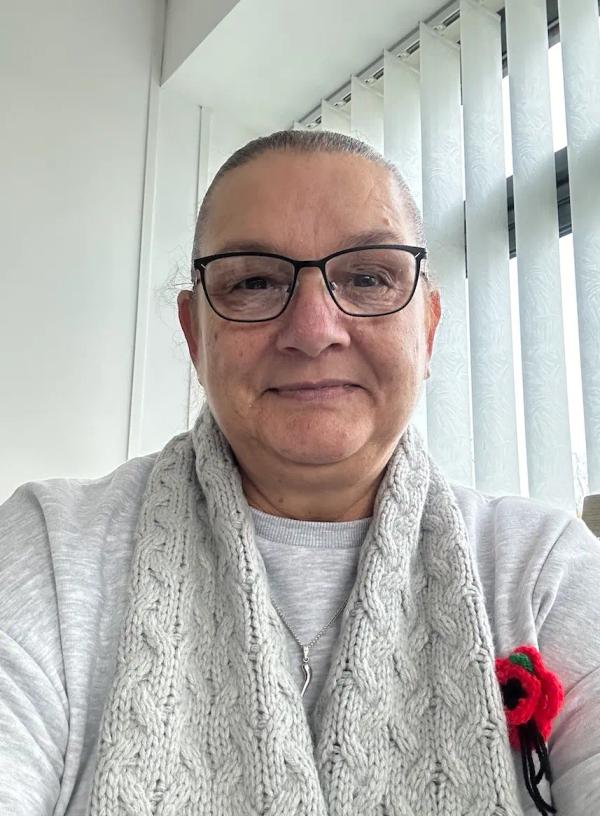


Browse the full team, or let the Pathway Team match you.
When to reach out
You do not have to be in crisis to deserve support.
Many people wait until things feel unbearable before they seek help. But you do not have to reach a breaking point first. If what you have experienced is making it harder to live the life you want, affecting your relationships, your work, your sleep, or your sense of self, that is reason enough to reach out.
Whether the abuse was recent or happened years ago, whether it was a single incident or a pattern that lasted a long time, our Pathway Team can help you find the right support. The first step is a free telephone call, no referral needed.
Where we offer this
Support for abuse across the North East

Tynemouth
1 Tynemouth Road, NE30 4AY
Psychologists and counsellors in Tynemouth. CBT, EMDR, child psychology and ten other therapies for adults, couples and families across North Tyneside.
Visit clinic
Newcastle
The Grainger Suite, Dobson House, Regent Centre, NE3 3PF
Accredited psychologists and counsellors in Newcastle upon Tyne. CBT, EMDR, DBT and talking therapy for adults, couples and children, at our Gosforth clinic.
Visit clinicQuestions before you start
What people usually ask
1 Is what happened to me really abuse?
Abuse takes many forms, physical, emotional, sexual, financial, and psychological. If someone’s actions left you feeling afraid, controlled, diminished, or harmed, that matters, regardless of whether they intended it.
2 Can therapy help if the abuse happened a long time ago?
Yes. The effects of abuse can persist for years or even decades, in how we relate to others, how we see ourselves, and how we respond to stress. Therapies like EMDR and CBT are effective precisely because they work with memories and patterns rather than requiring the abuse to be recent. It is never too late to seek support.
3 What if I am still in an abusive situation?
We can still work with you. Therapy offers a safe, confidential space and can help you build clarity, resilience, and a sense of your options. Your therapist will never pressure you to take any particular course of action, the pace is yours. If you are in immediate danger, we would always encourage you to contact the police or a specialist support organisation alongside therapy.
4 How many sessions will I need?
This depends on the nature of the abuse and how it has affected you. Some people find significant relief in 8–12 sessions; others with more complex or longstanding trauma benefit from a longer course. Your therapist will discuss this during the initial assessment and review it as you progress.
In the meantime
Small things that can help right now.
- Name what happened, rather than minimising it
- Use grounding techniques when memories feel overwhelming
- Move your body gently: walking, yoga, or swimming
- Talk to one trusted person, even briefly
- Be patient with yourself, recovery is not linear
From the blog
Helpful reading on this

Small Steps, Big Changes: How EMDR Therapy Helps Reclaim Your Life from Trauma
Trauma is not processed in the part of the brain that handles talking, which is why EMDR takes a different route to recovery: it helps the brain reprocess stuck memories so they lose their emotional charge.
Read article
How EMDR Works in the Brain: The Science of Healing Trauma
EMDR uses bilateral stimulation to help the brain file distressing experiences as historical events rather than current threats. Here is what the neuroscience tells us.
Read article
Anger in Relationships and How to Handle it
Struggling with anger in your relationship? Explore common triggers, effective coping strategies, and ways to communicate more constructively with your partner.
Read article
How to Solve Family Problems and Build Stronger Relationships
Learn how to resolve family conflict, improve communication, and when to seek professional support. Practical guidance from Select Psychology.
Read articleGet in touch
Ready to feel heard?
Leave your details and a member of our Pathway Team will be in touch, usually within one working day. Or call us directly on 0191 258 0008.
- Confidential and judgement-free
- No obligation, no pressure to book
- No GP referral needed
Pathway Team available now
How can we help?
100% confidential, and only ever read by our Pathway Team.