
We provide advanced EMDR (Eye Movement Desensitization and Reprocessing) to effectively treat PTSD, trauma, and distressing life events as part of our talking therapy services. Start the path to reprocessing and healing today.
Accessible EMDR locations including Tynemouth & Gosforth
Target and heal the impact of distressing memories.
Work only with certified, experienced EMDR practitioners.
The highest level qualification.
Fill in the details below and a member of our client pathway team will contact you for a confidential discussion.
Our team consists of experienced Clinical and Counselling Psychologists, all accredited in EMDR. They combine professional expertise with empathy, ensuring a safe and effective therapy experience.

Clinical Psychologist
(HCPC Registered)
Dr Murphy has over 20 years of experience providing EMDR therapy for adults and older people. She specialises in trauma, depression, and neurodegenerative conditions, offering a safe, compassionate space to support recovery.
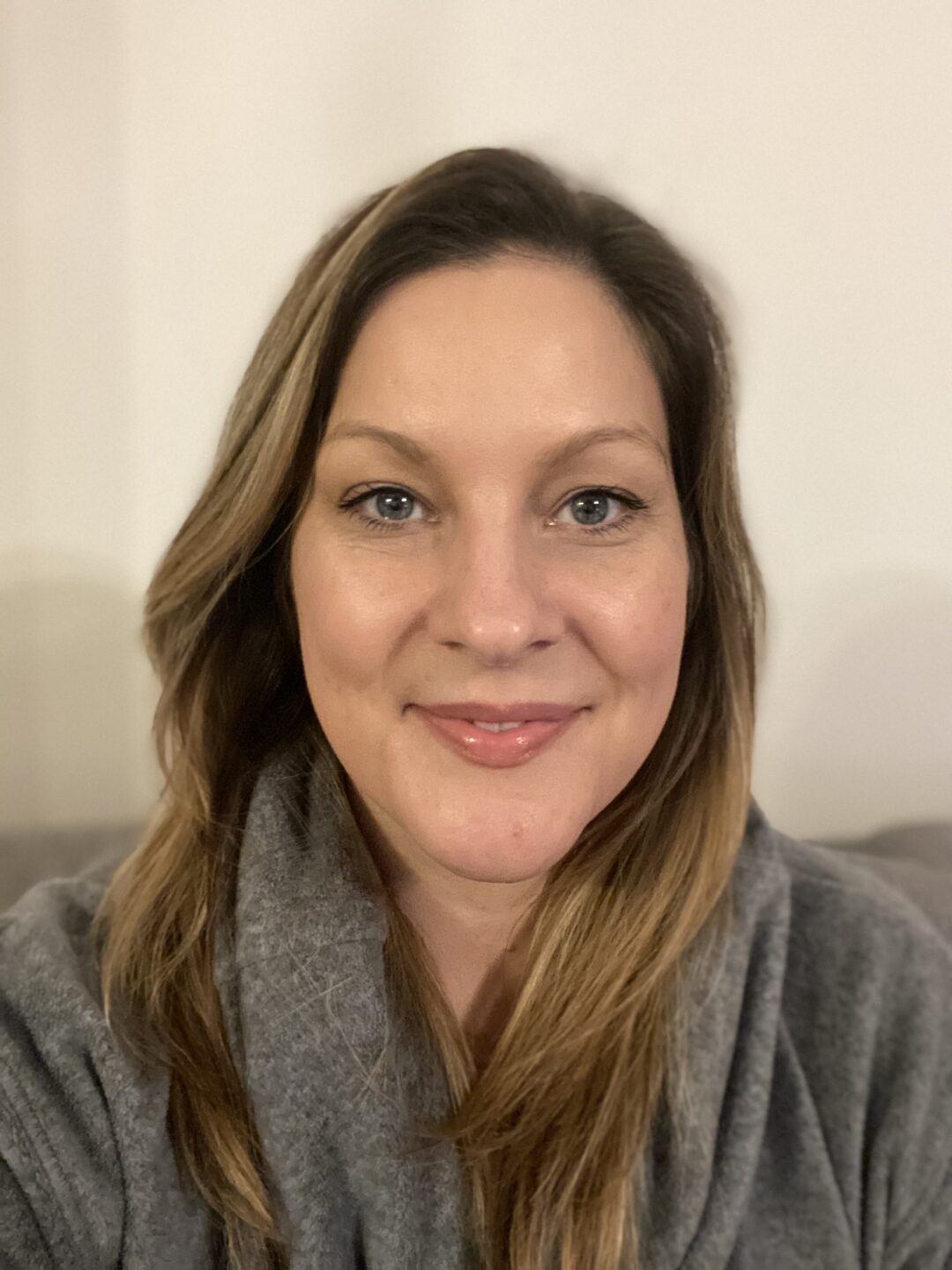
Clinical Psychologist
(HCPC Registered)
Dr Viala brings 20 years of experience using EMDR, CBT, and ACT. She focuses on trauma recovery and the psychological impact of long-term health conditions, helping clients overcome challenges and build resilience.

Clinical Psychologist
(HCPC Registered)
Dr Wilkins is an accredited EMDR practitioner with over 13 years’ experience supporting adults. She specialises in trauma and adjustment, integrating EMDR, CBT, and ACT to help clients navigate difficulties and achieve positive change.
Eye Movement Desensitisation and Reprocessing (EMDR) is a globally recognised psychotherapy designed to help individuals process traumatic memories in a structured, safe environment. By mimicking the brain’s natural healing mechanisms, EMDR targets the root of distress without requiring exhaustive verbal recounting of events, as in traditional talk therapies. Instead, it facilitates the reprocessing of “stuck” memories—those that replay with overwhelming intensity—allowing the emotional charge to fade while preserving the factual recall.
Imagine a traumatic event freezing your brain’s filing system: triggers evoke the same raw fear repeatedly, like a glitch in your mental archive. EMDR unsticks this by guiding bilateral stimulation (often eye movements) to complete the integration, transforming the memory into a neutral life chapter. Primarily acclaimed for alleviating PTSD, it also excels in addressing phobias, chronic anxiety, panic disorders, and profound grief, empowering lasting emotional freedom.

EMDR therapy doesn’t erase memories but helps the brain process them so they no longer cause intense distress. This reduces the emotional impact and helps clients develop better coping strategies.
The therapy follows an eight-phase, evidence-based process addressing past, present, and future aspects of traumatic memories. Sessions typically last 60–90 minutes, with 3–6 sessions for single-event trauma and 8–12 or more for complex trauma. Therapy involves recalling distressing memories while receiving bilateral stimulation such as:
Side-to-side eye movements
Hand tapping
Auditory tones
The eight phases include:
History & Treatment Planning: Gather trauma history, symptoms, and create a personalised plan.
Preparation: Establish trust, explain the process, and teach coping skills.
Assessment: Identify the most distressing memories and related negative beliefs.
Desensitisation & Reprocessing: Focus on memories while using bilateral stimulation to reduce emotional charge.
Installation: Replace negative beliefs with positive, adaptive thoughts.
Body Scan: Address any remaining physical or emotional tension related to the trauma.
Closure: Restore emotional stability and practice self-soothing techniques.
Reevaluation: Review progress and determine if further processing is needed.
EMDR is safe, structured, and evidence-based, designed to help individuals heal from trauma and restore wellbeing. It should always be conducted by trained and licensed EMDR practitioners, like the certified team at Select Psychology.
We understand that choosing a therapist is a critical step. Here’s why clients trust Select Psychology for EMDR in Newcastle:
Specialist Trauma Expertise – EMDR is central to our practice, not secondary.
HCPC-Registered Psychologists – Professional, ethical, and evidence-based care.
Personalised Treatment Plans – Therapy tailored to your experiences and pace.
Safe, Contained Approach – Structured trauma work in a secure environment.
Flexible Delivery – Face-to-face in Newcastle or online sessions to suit your needs.
Comprehensive Care – EMDR integrated with other evidence-based therapies when helpful.
Formulated by Dr. Francine Shapiro, the reported benefits of EMDR include:
This allows you to rest more easily and go about your daily business without feeling fearful and prone to panic
A wide range of psychological difficulties, in particular those that originate in trauma, can be treated by EMDR. This includes direct or indirect experiences of sexual assault, terror attack, accidents or natural disaster. These experiences often lead to a post-traumatic stress disorder (PTSD) diagnosis, for which EMDR has been recommended by the National Institute of Health and Care Excellence (NICE).
It is also increasingly used to treat more prolonged, low-grade distress that originates in shock or loss in adult life and/or issues experienced during childhood.
EMDR therapy is also being used for the treatment of other issues including:

Seeking therapy is a brave decision, and EMDR can help you move past the weight of trauma without repeatedly reliving it. At Select Psychology, our HCPC-registered psychologists provide compassionate, personalised care in Newcastle and across the North East, guiding you safely through the process and supporting you in reclaiming control over your life.
Whether you’re dealing with past experiences, persistent anxiety, or intrusive memories, the first step is simple: reach out and start a conversation. There’s no pressure or obligation—just a confidential space to explore whether EMDR is right for you.
You can call us, email, or book online for a convenient consultation. Take this step today and begin your journey toward emotional freedom, resilience, and a calmer, more present life.
Website & SEO powered by Tyneside Marketing